Looking through the photos after the season, you realize one simple thing: the best days are never the ones planned in advance.
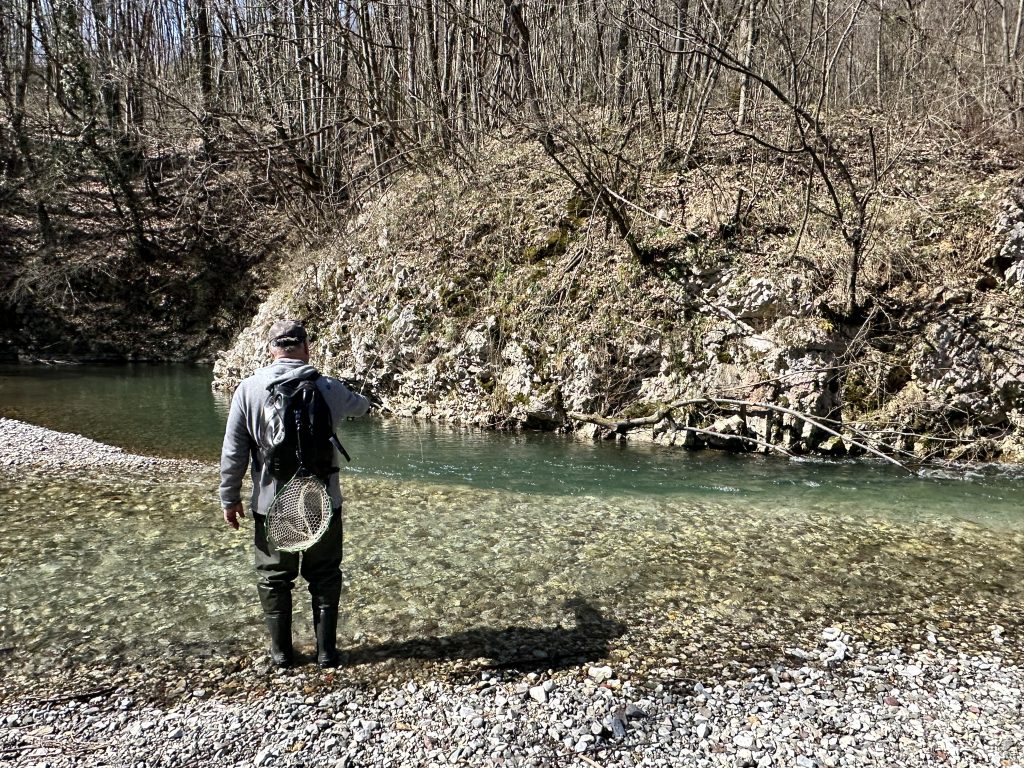
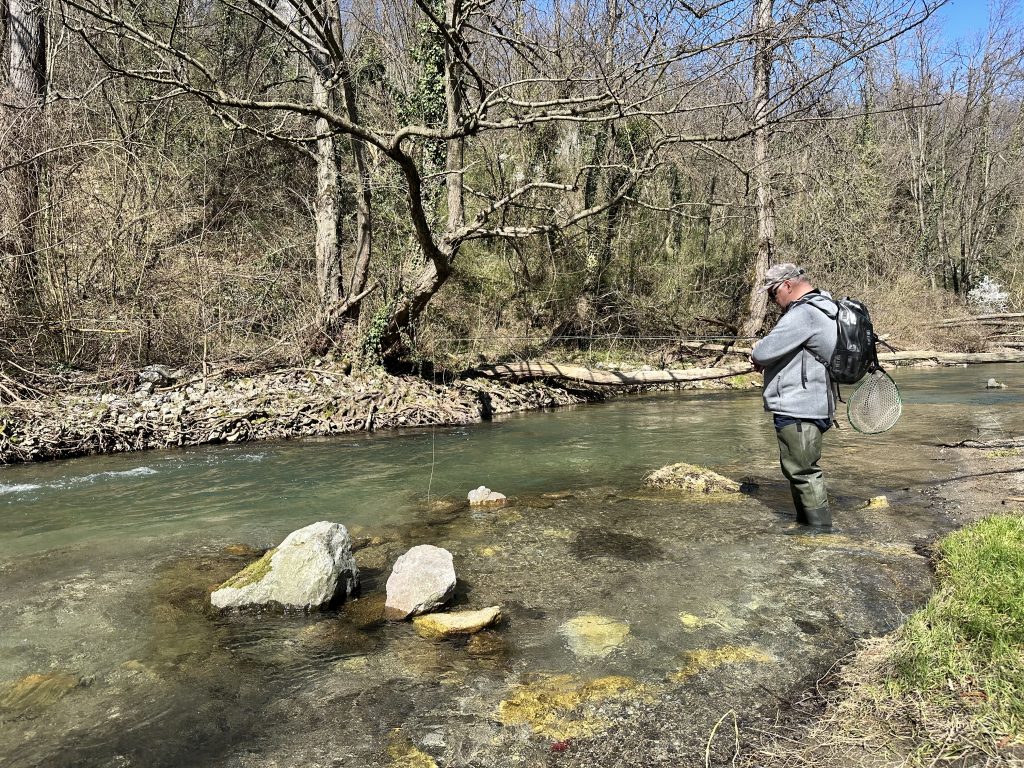
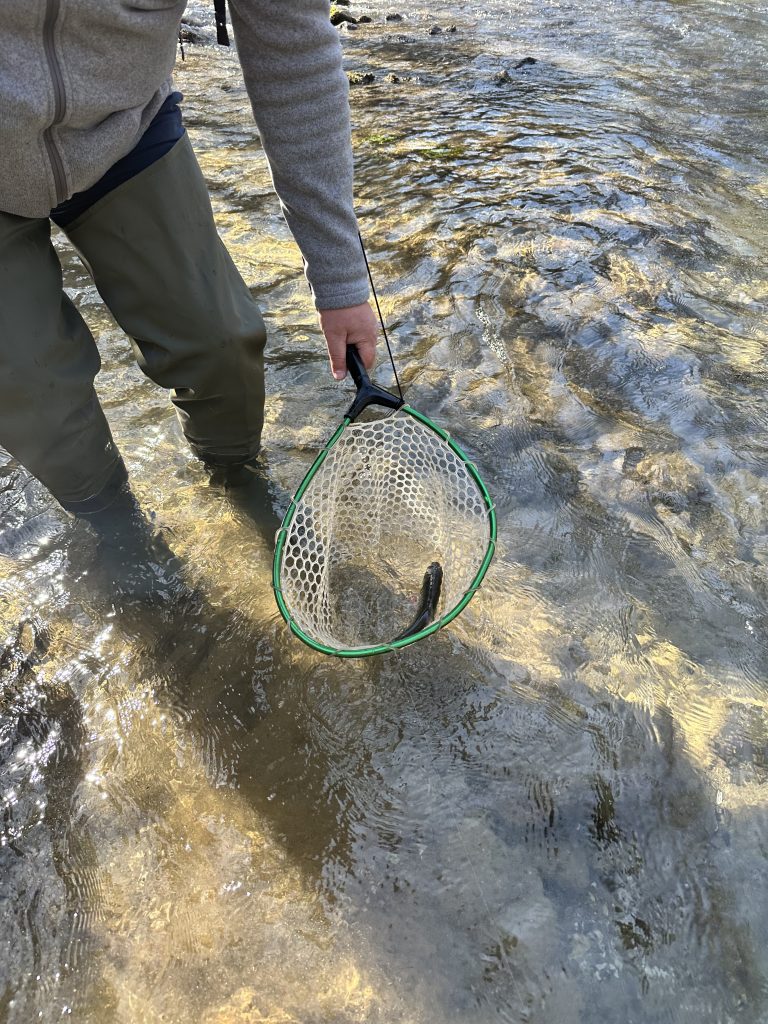
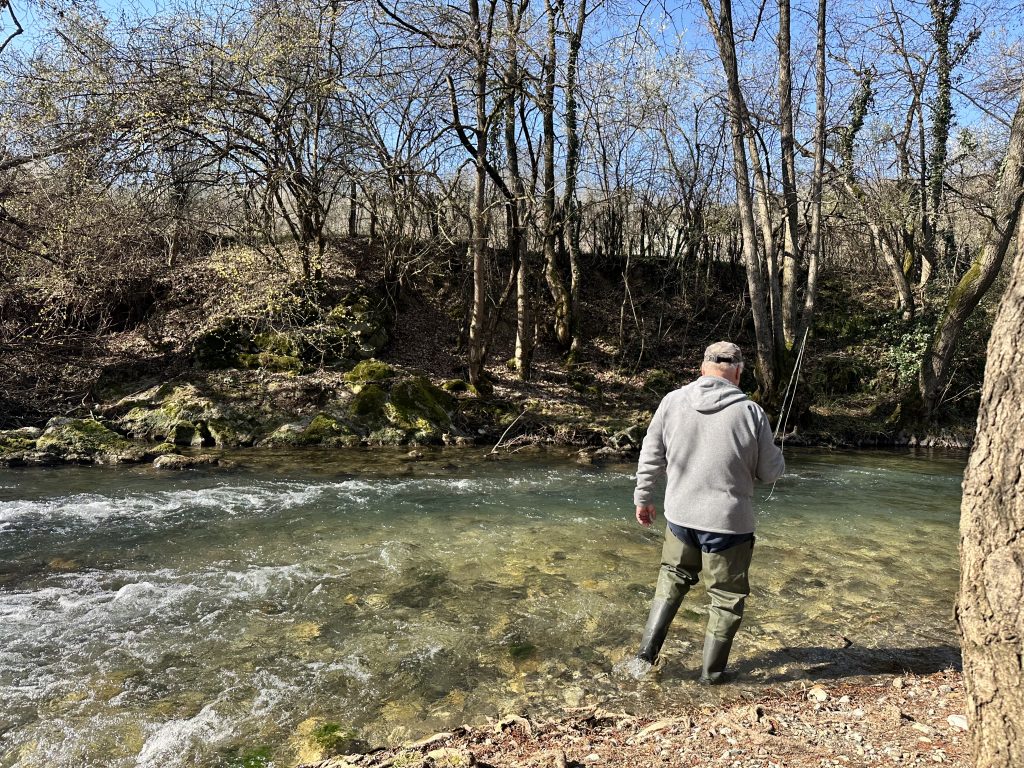
These photos are not from a single trip. They come from several days on different Serbian rivers—the Djetinja and the Gradac. Different weeks, different people, different weather and a different mood on the water, yet they all have one thing in common: each time we went not for a result, but for the day itself.
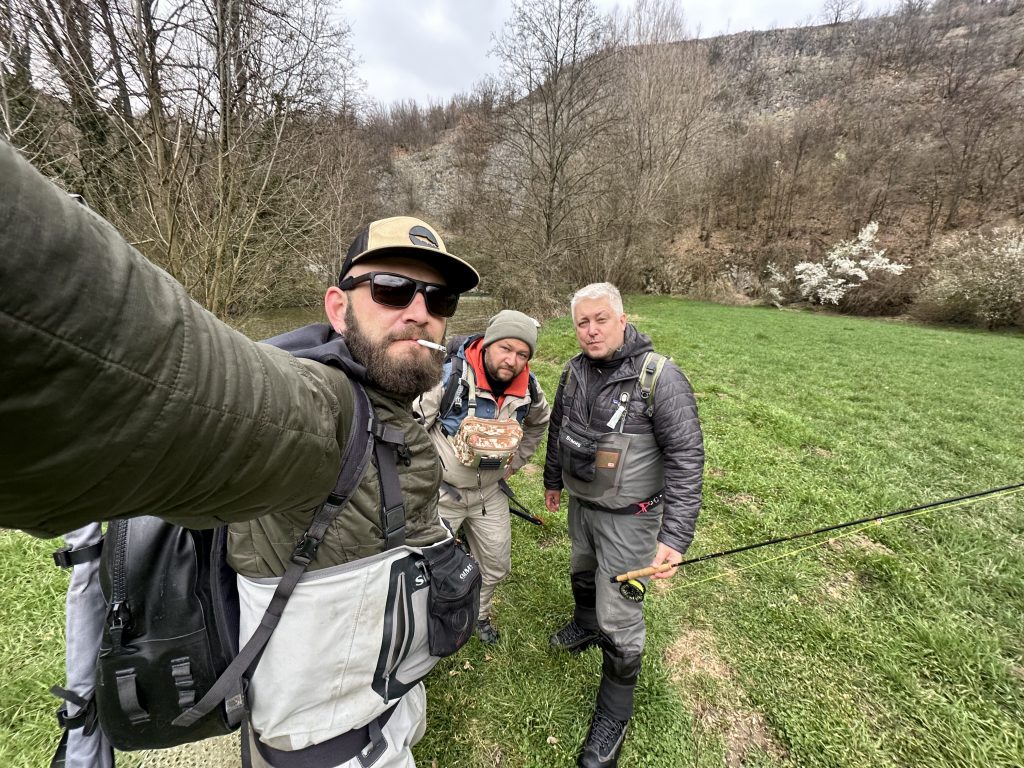
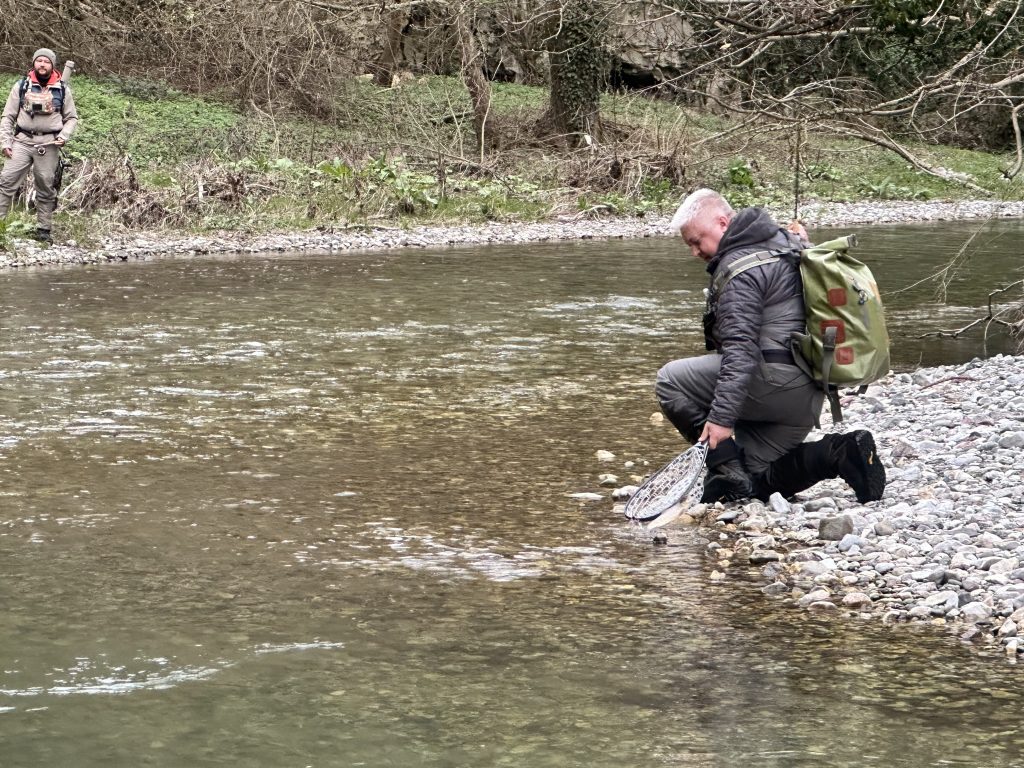
Surprisingly, most people still know almost nothing about fly fishing in Serbia. Many travel to Slovenia, Austria or Bosnia without realizing that right here, in the heart of the Balkans, there are rivers with clear cold water, beautiful wild trout and the kind of peaceful fishing that is becoming harder to find in Europe.
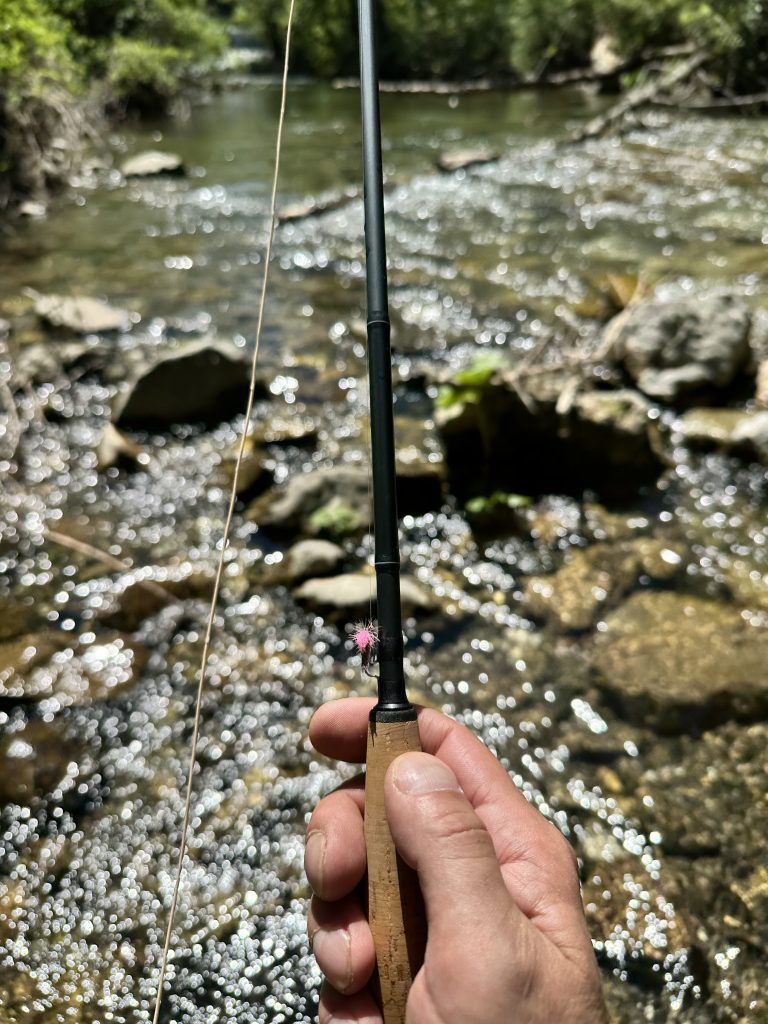
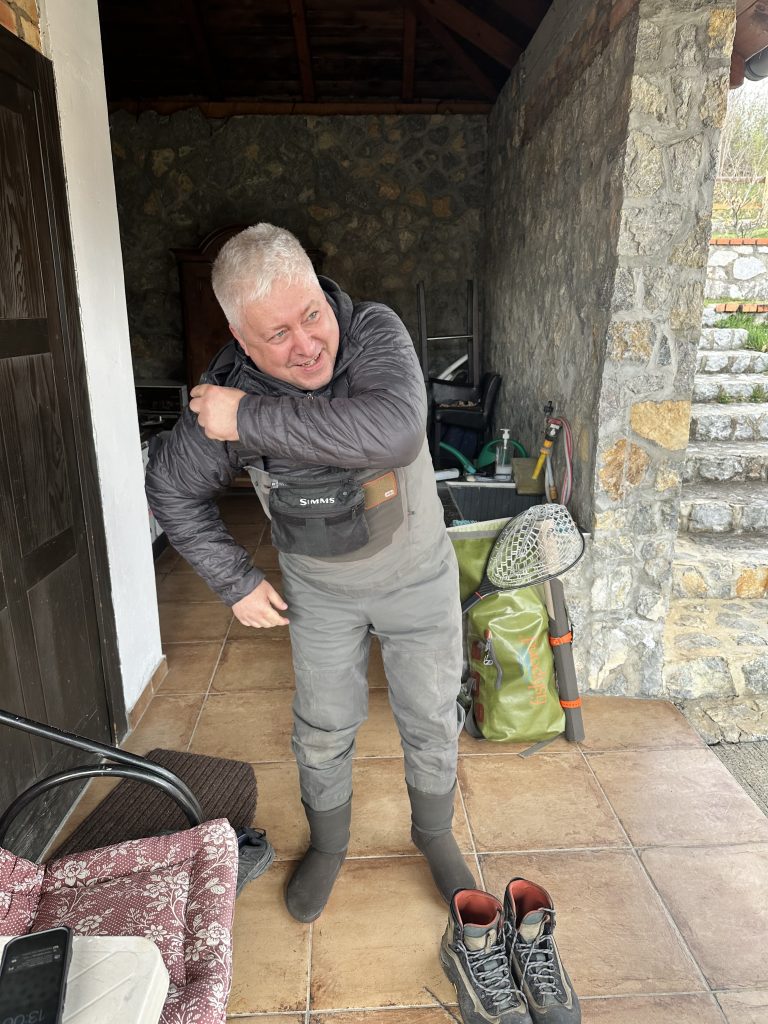
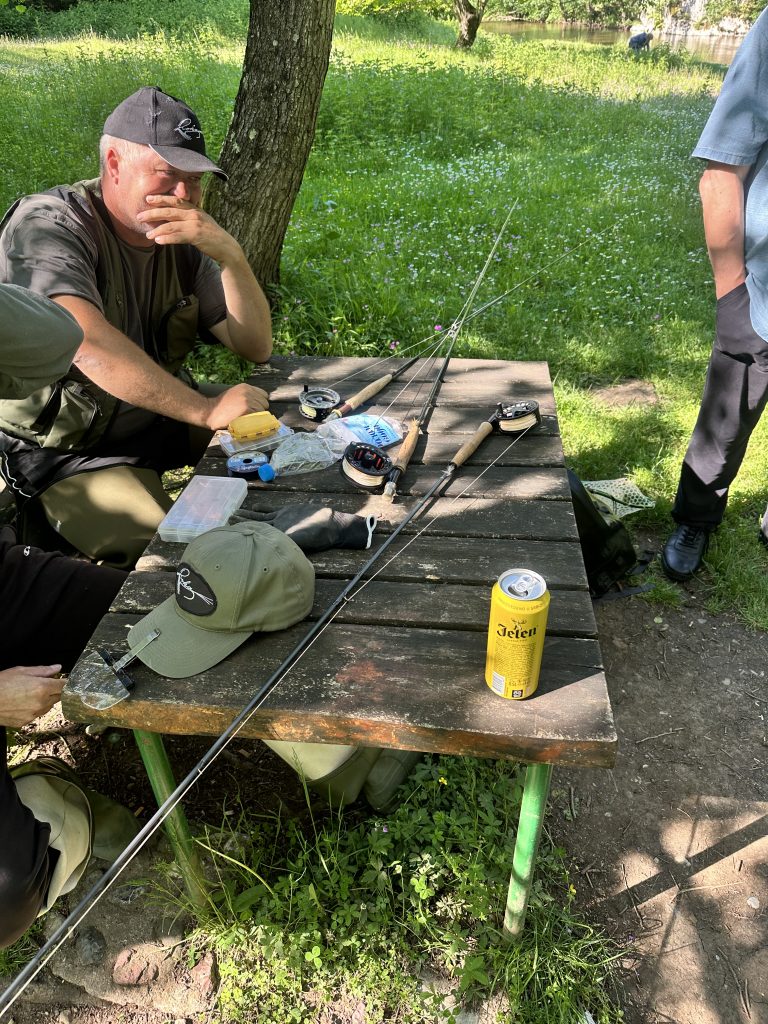
Every day began in much the same way: an early start, meeting up, a quick coffee, checking the fly boxes and the usual discussion about what might work. Someone always believes in the nymph and says the fish are holding deep. Someone else is sure before we even set off that the dry fly will be the answer. The truth is usually somewhere in between, because a good river makes its own rules every day.
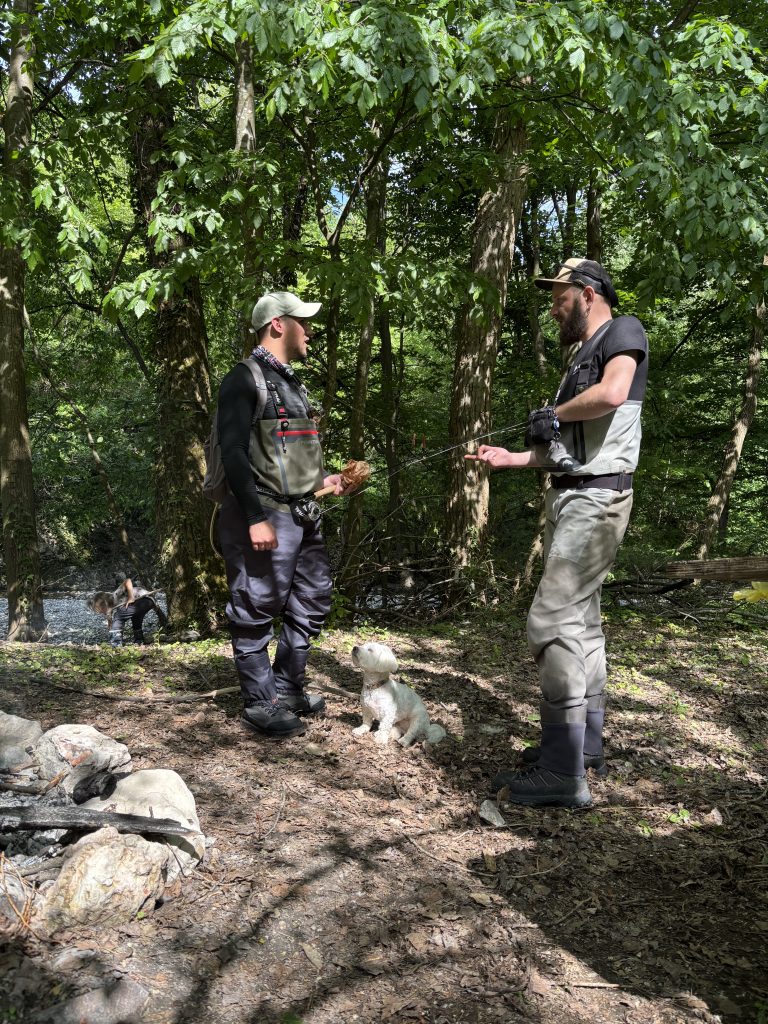
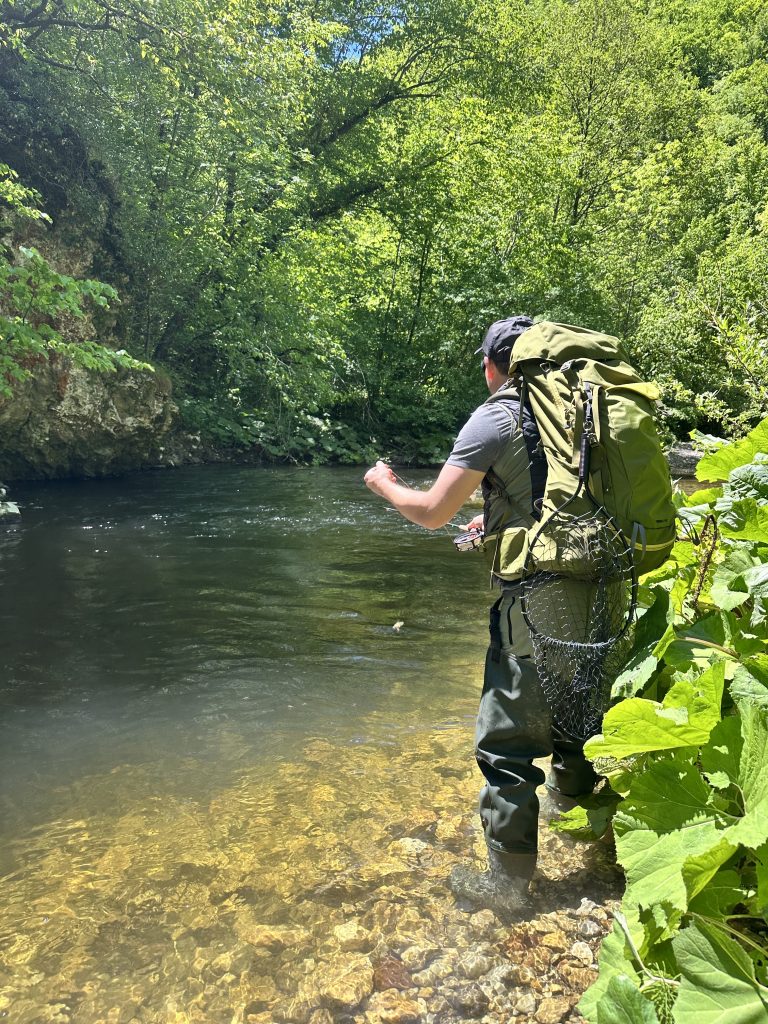
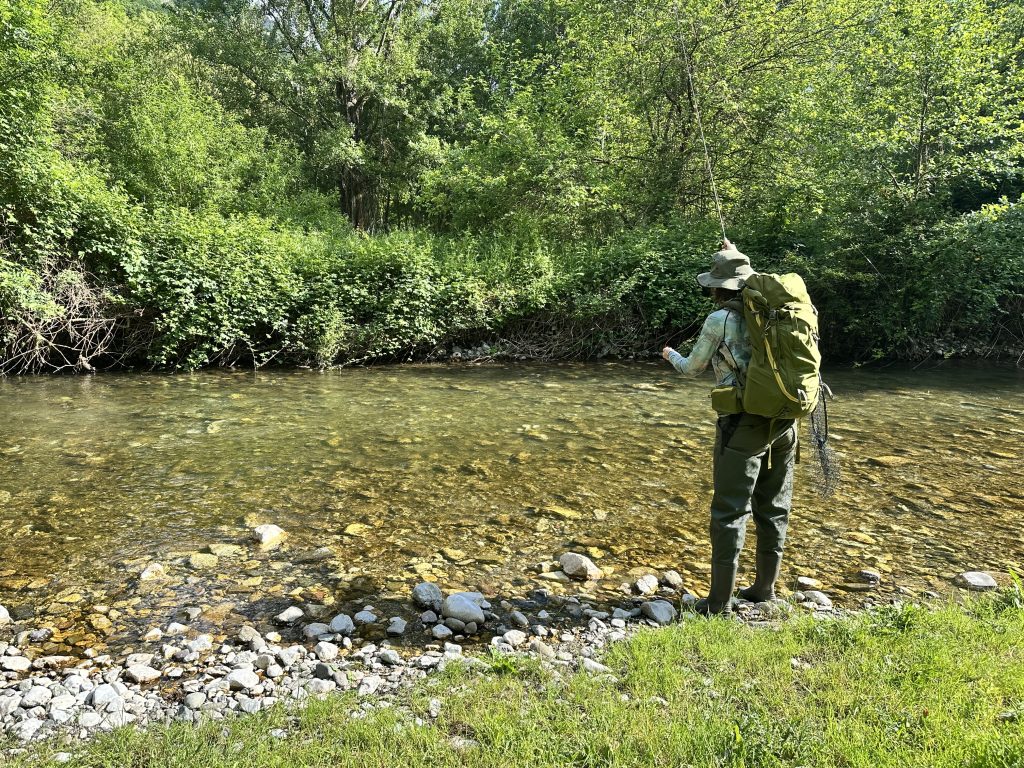
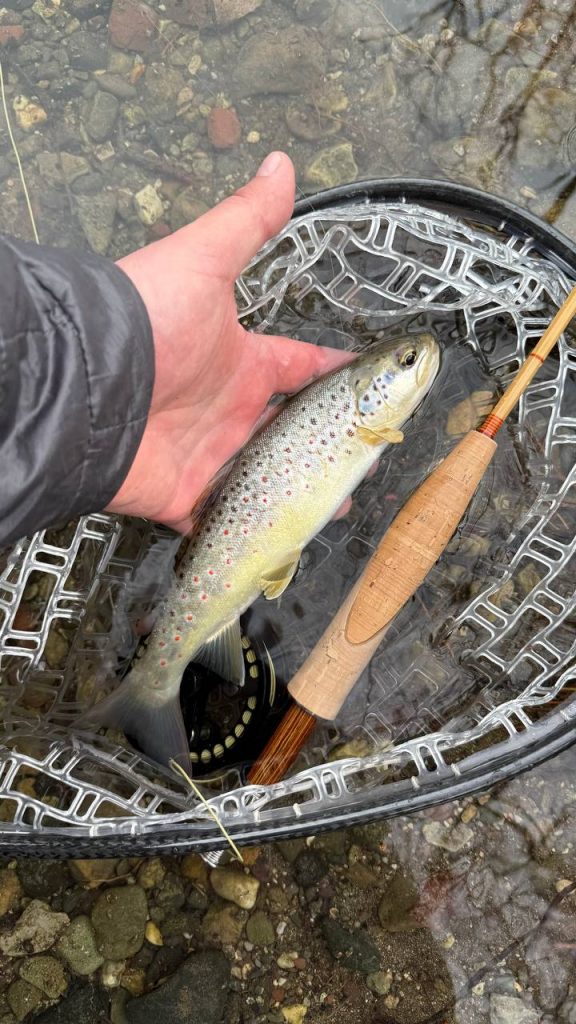
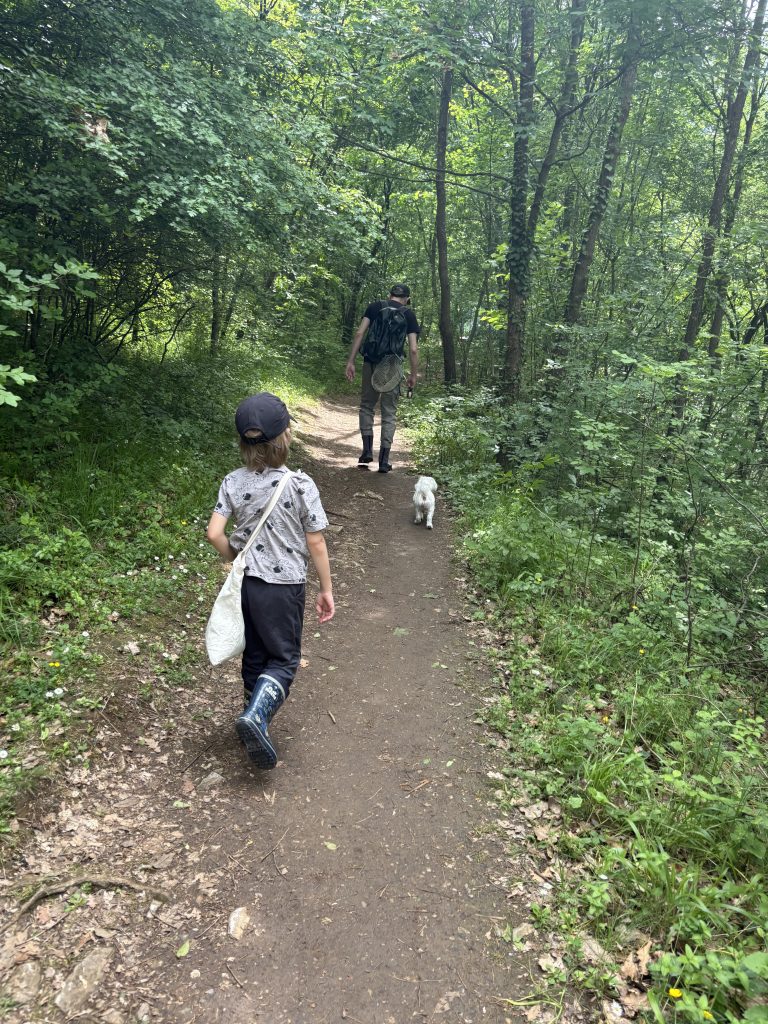
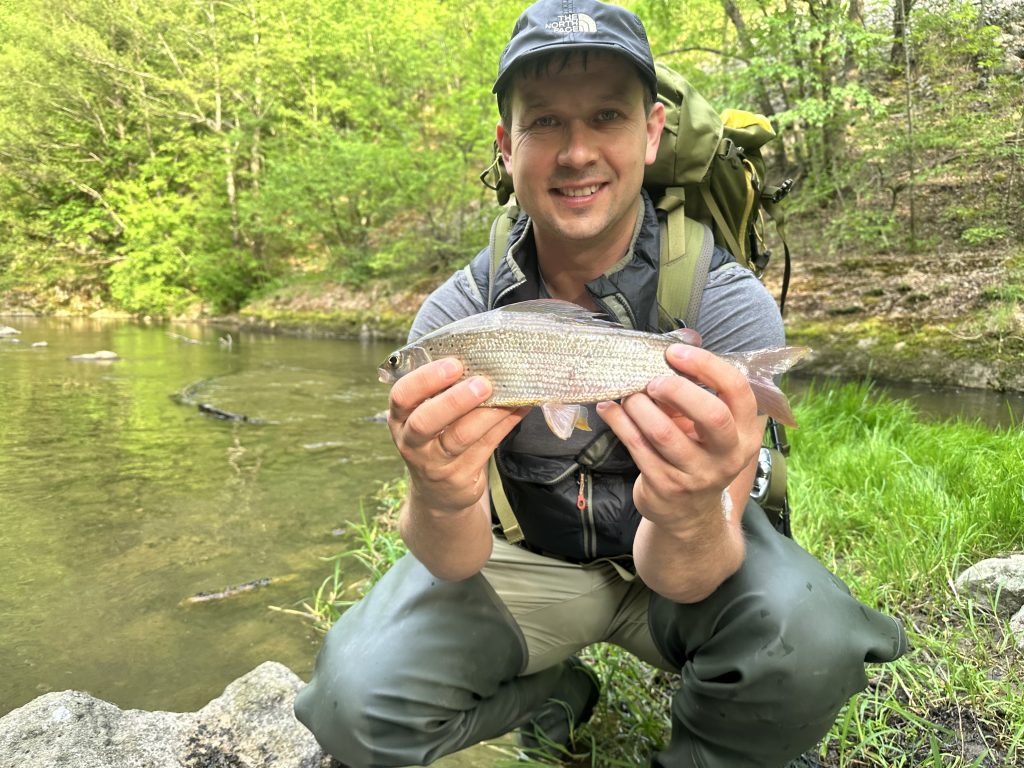
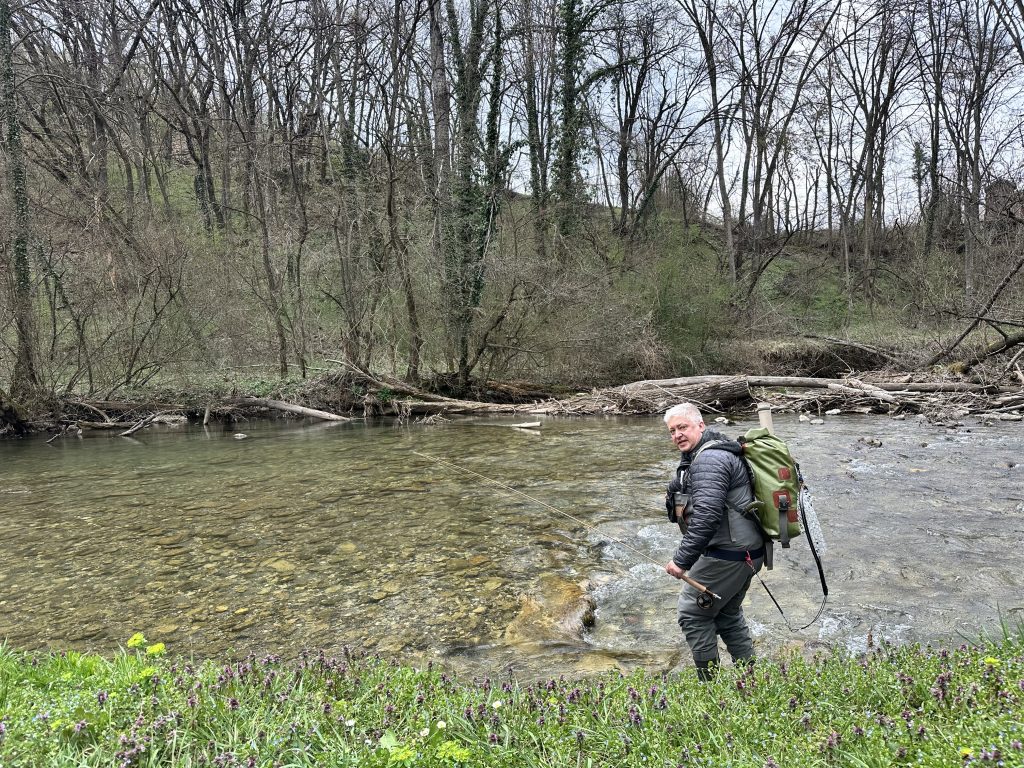
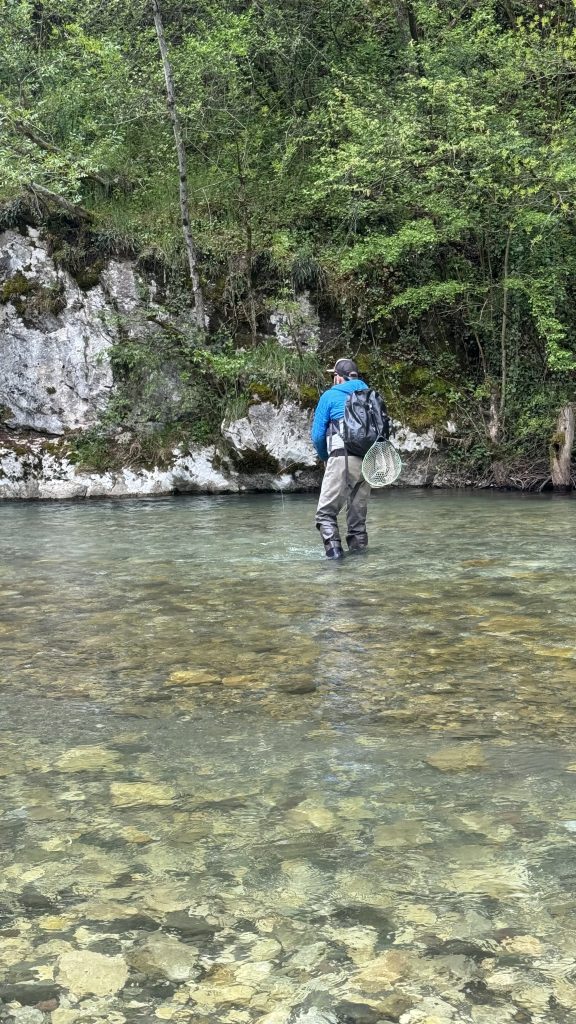
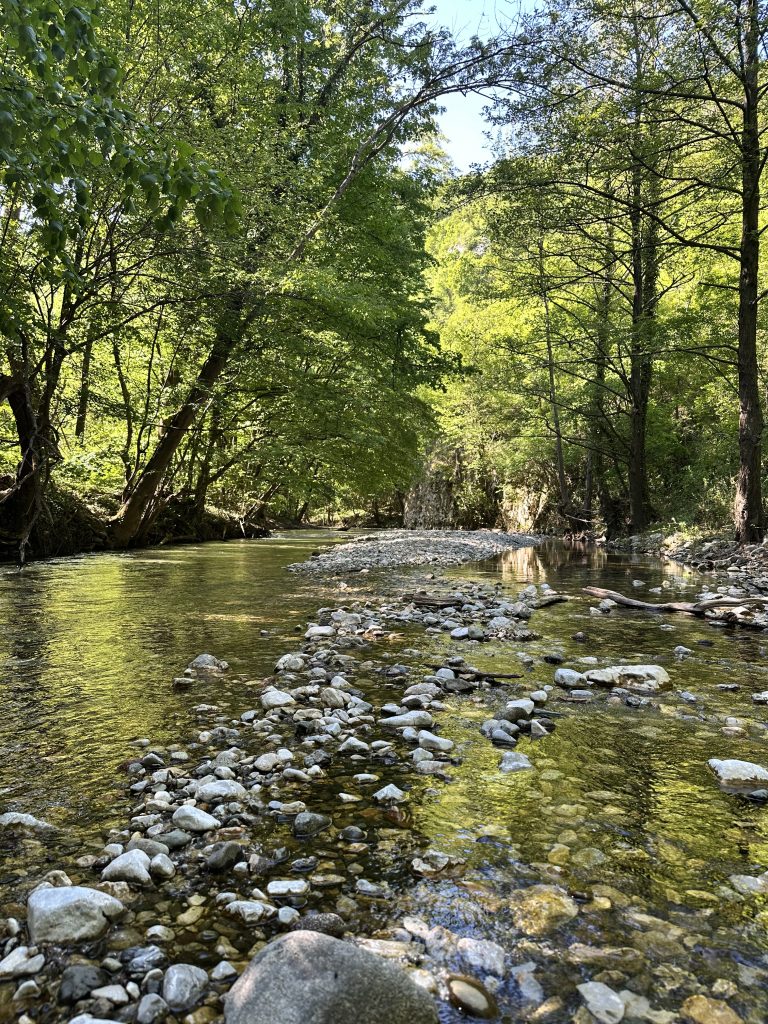
A day on the Gradac often begins quietly. This river does not reward haste. You cannot simply step into the water and cast anywhere. First you have to stop, study the current, notice the depth and read the seams before making the first cast. The opening hours are often spent nymphing. We move slowly along the bank, adjust the depth, change flies, work on the drift and gradually learn where the fish are holding that day.
Then, at some point, everything changes.
The first signs of life appear on the surface. A small ring forms in a quiet pocket, then another. And the moment many fly anglers wait for all day finally arrives: dry-fly time.
It is hard to explain to someone who has never fly-fished why a trout the size of your hand can create so much emotion. But it is never about size. The finest moment is watching a fish rise from the depths, gently take the fly from the surface and disappear back into the clear water a second later. Those few seconds are why people return.
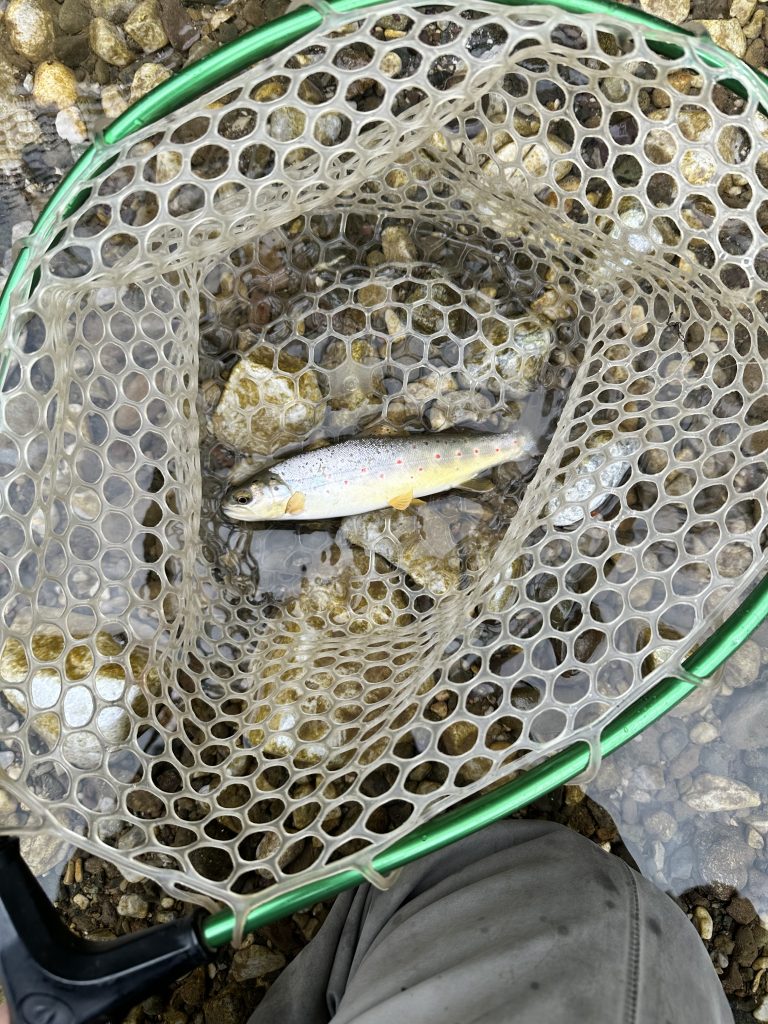
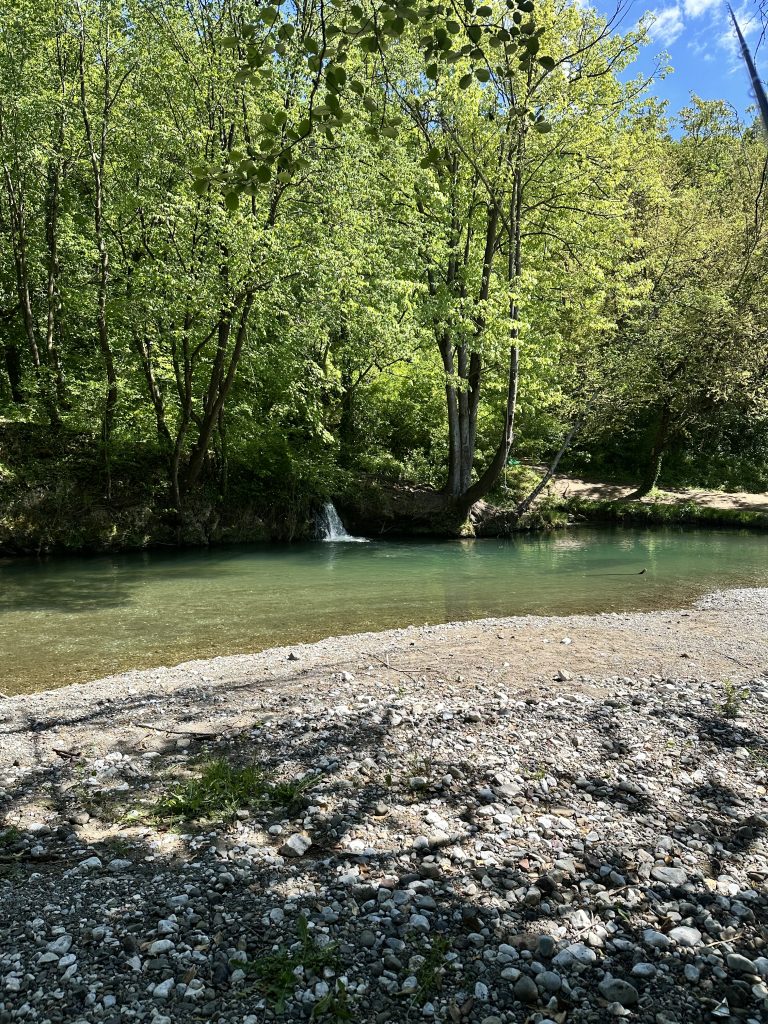
The Djetinja has a completely different mood. There is more movement, more walking and a stronger sense of travelling along the water. The day is made up of dozens of small moments: a good cast, a beautiful fish in the net, a break on the bank, conversations, a change of location and the constant feeling that the river will be different again around the next bend.
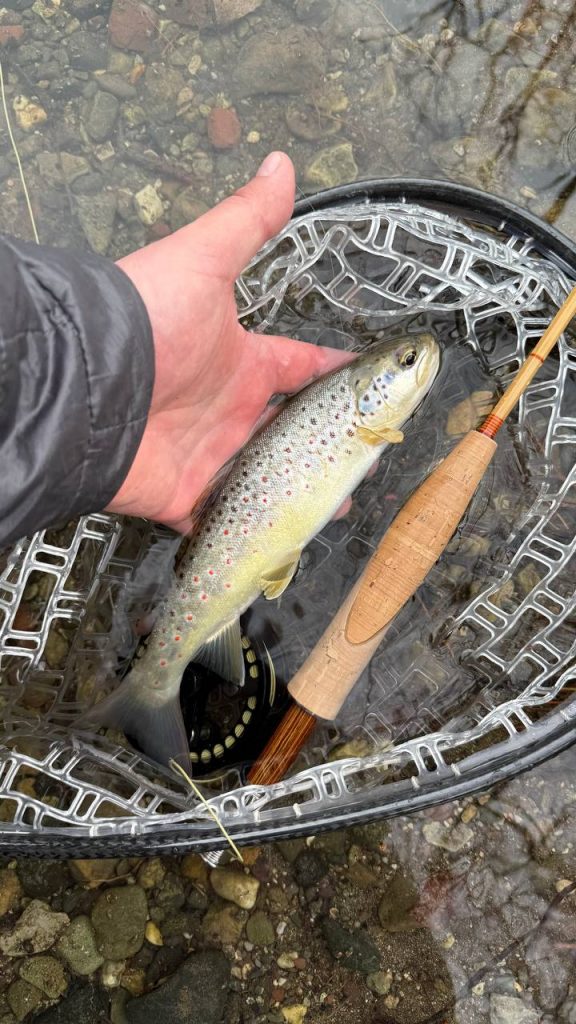
On these trips we caught all kinds of fish: beautiful Balkan trout, silvery young fish, brightly spotted brown trout, and we also found grayling. But honestly, after a few weeks it is already hard to remember exactly how many fish there were.
Other things remain vivid.
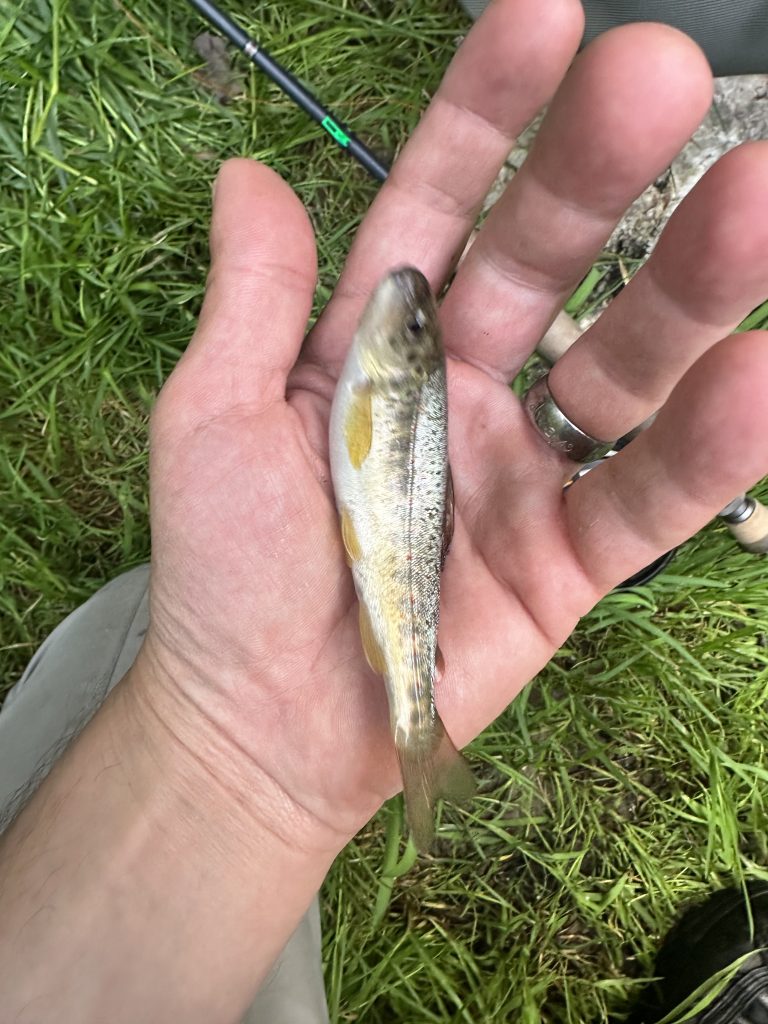
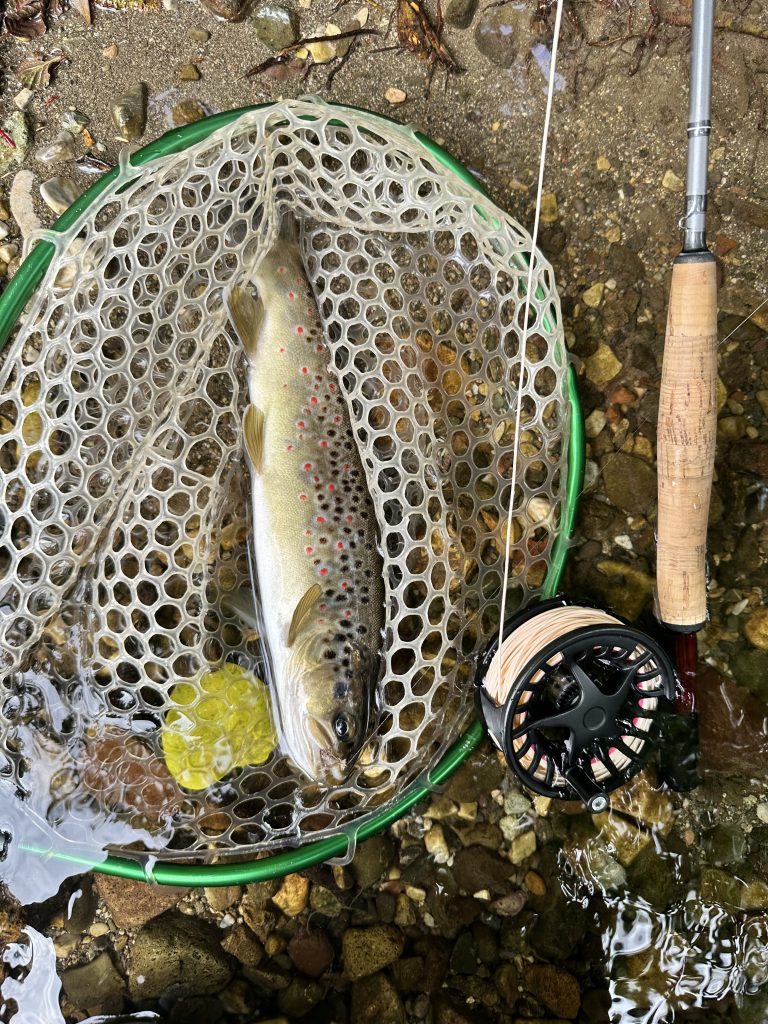
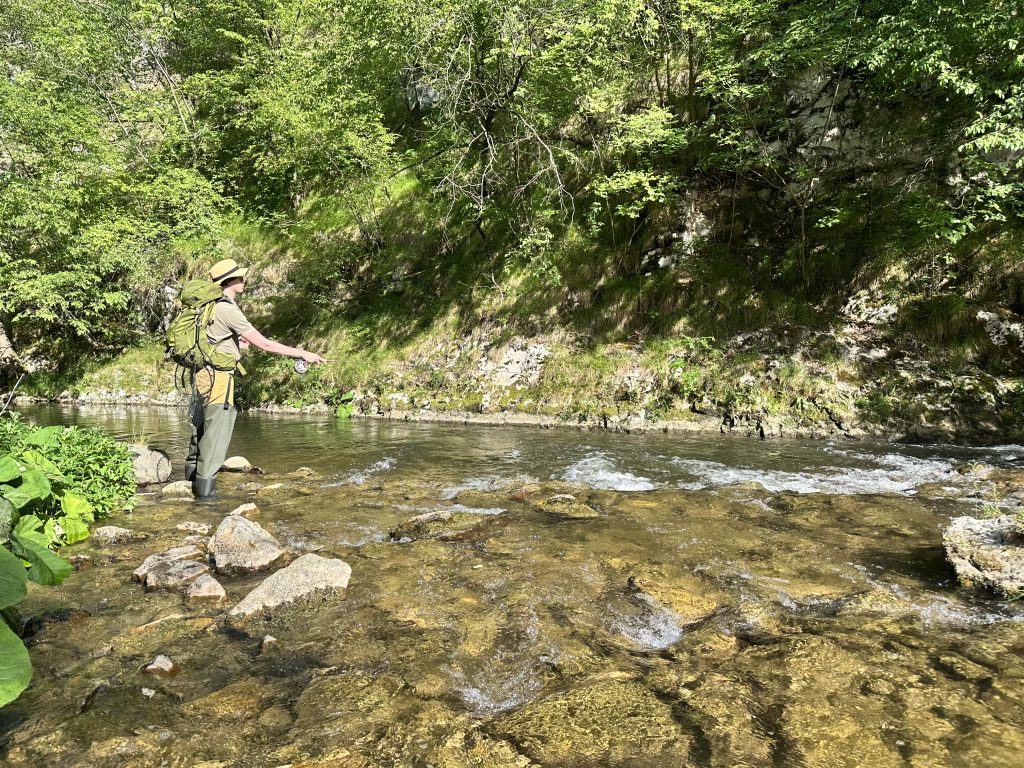
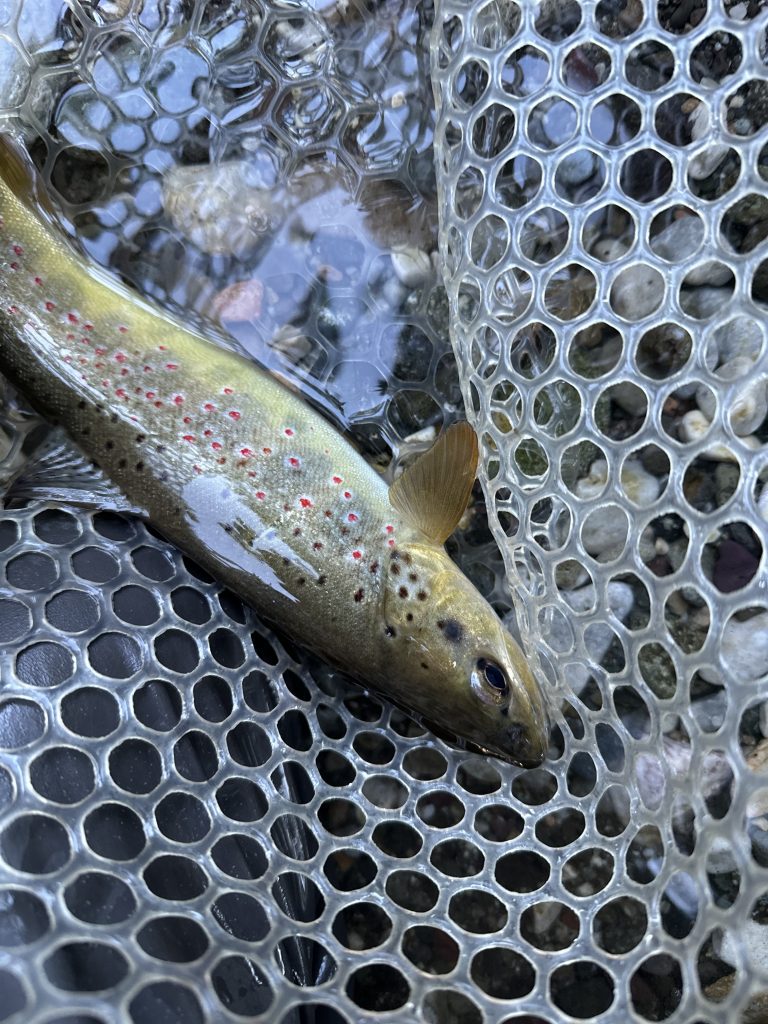
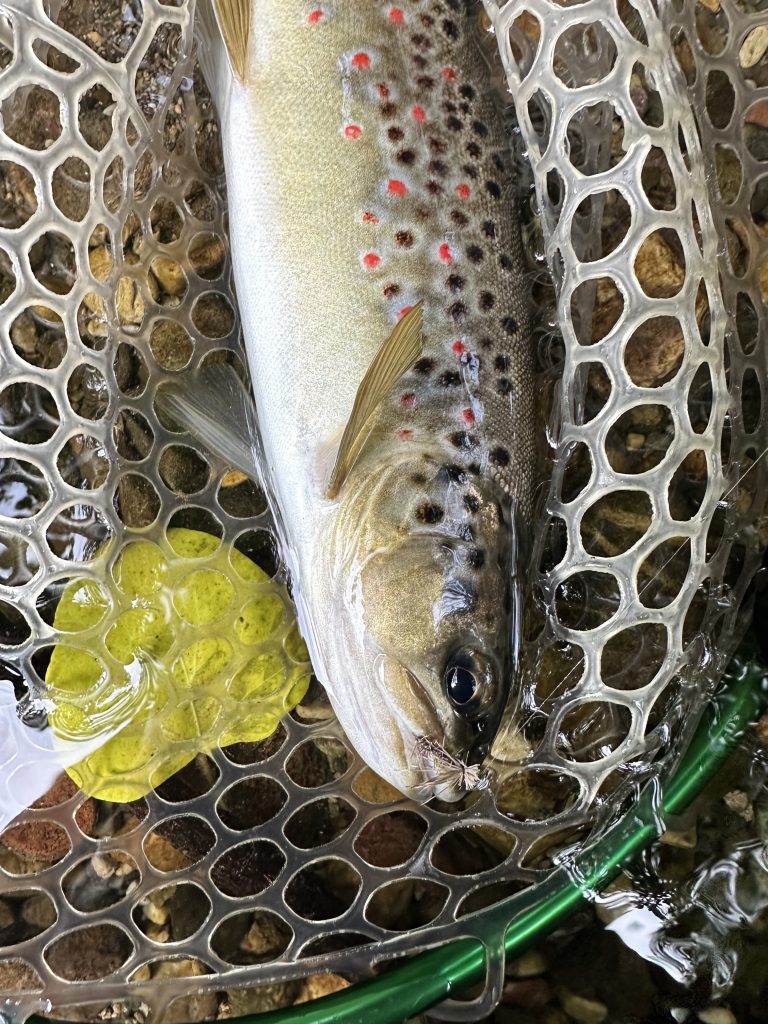
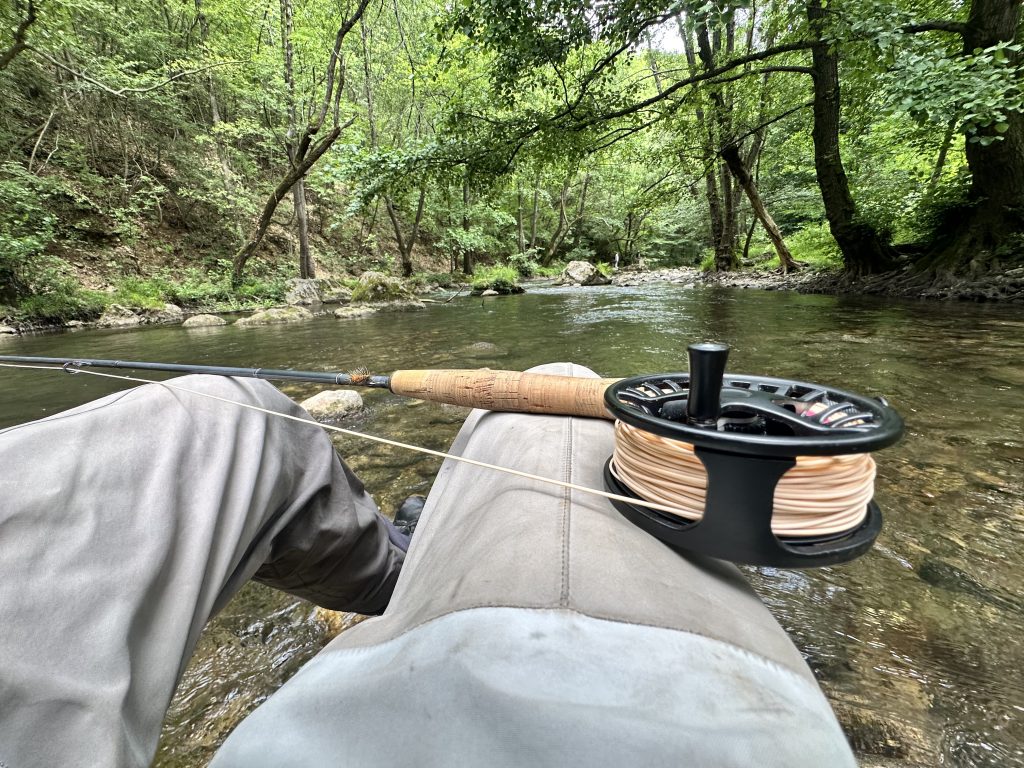
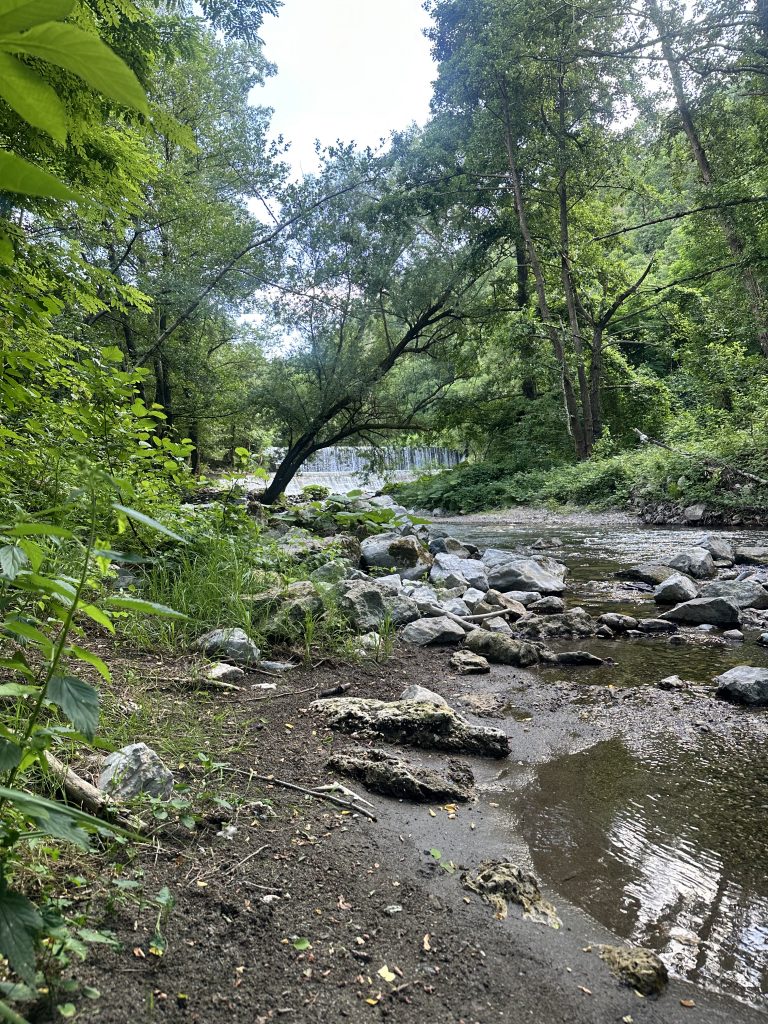
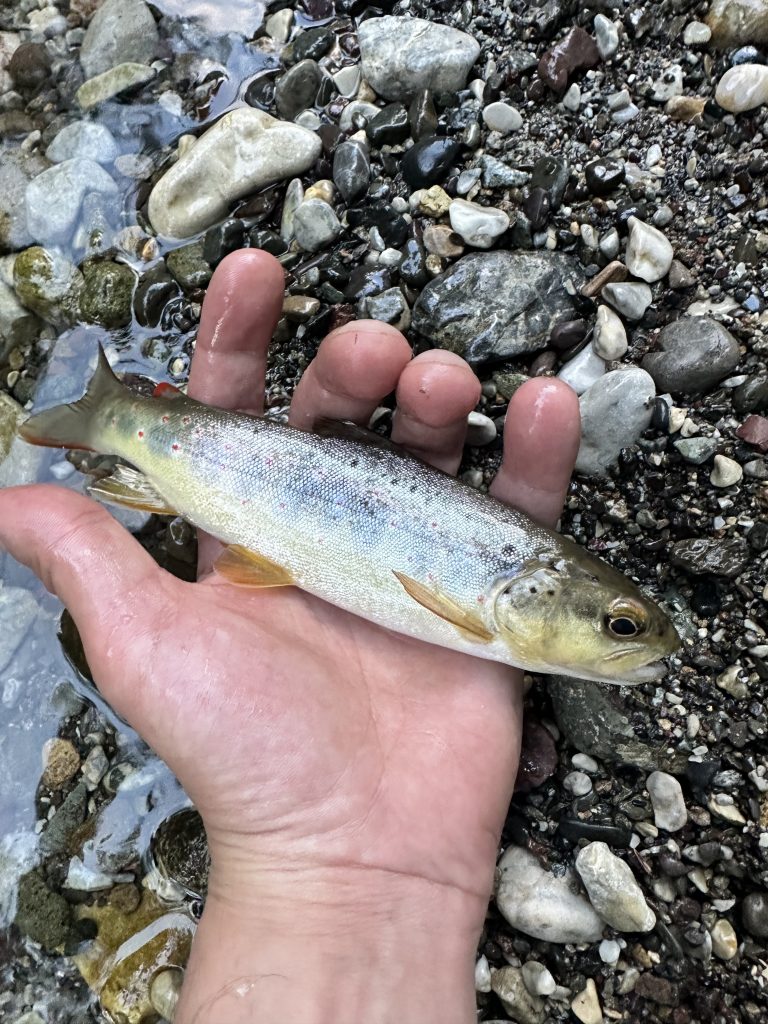
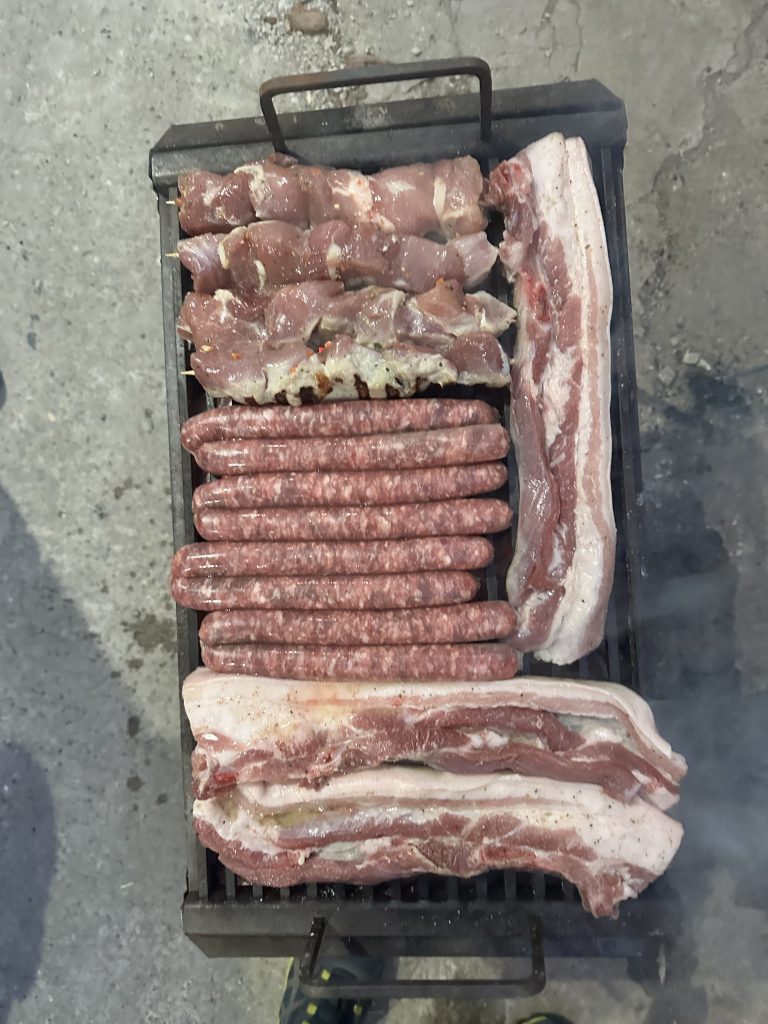
We remember sitting right in the water and simply watching the current. Children running along the bank. A dog following us all day and seemingly knowing better than anyone where to go next. After several hours in the river, we would gather together, grill meat, open a cold beer and discuss every rise as if it had been the event of the day.
That is probably why we keep coming back.
Fishing in the Balkans is not about the number of photos with fish. It is a chance to spend a peaceful day in a beautiful place among good people—and to return home in the evening tired, but completely content.
If you have never tried fly fishing in Serbia, come and join us.
We will show you our favorite rivers, teach you how to read the water, choose the flies, fish together and spend a few days the way we like them best.
No rush. Good company. Beautiful fish.
And that special feeling that brings people to the Balkans once—and then draws them back every year.